
Expert Reviewed Best Red Light Therapy Face Masks Buyers Guide
How to Choose the Right LED Face Mask for Skin Rejuvenation, Acne Treatment, and Anti-Aging
Welcome to our comprehensive 2026 Red Light Therapy Face Mask buyers guide. Red light therapy face masks have become increasingly popular for at-home skin rejuvenation, acne treatment, collagen production, and anti-aging benefits. Unlike full-body panels, these specialized masks deliver targeted light therapy directly to your face, where skin concerns are often most prominent.
In our comparison, we break down the technical specifications and features of each red light therapy mask to give you a clear understanding of what each mask delivers, how they objectively compare and if they deliver scientifically proven therapeutic results. We compare multiple brands including the most popular influencer promoted brands and show you the best options at the best value.
Quick Navigation
Key Attributes to Consider When Choosing a Red Light Therapy Face Mask
- Total Power Watts: This is the total power output of the device, all this power is divided up between the LEDs. Higher power allows more LEDs for better coverage while delivering enough power per LED for therapeutic effects.
- Power Output (mW/cm2): This measures how much light energy is delivered to your skin. For effective facial treatments, look for masks delivering 30+ mW/cm2. Masks with 40mW/cm2 will provide a optimal light dose in a 10 minute session. Higher intensities allowing shorter treatment times, but may be too strong for those with sensitive skin.
- Wavelengths: Different wavelengths penetrate different depths and provide distinct therapeutic benefits. The most effective masks combine multiple wavelengths:
- Blue Light (450-470nm): Targets acne-causing bacteria (P. acnes), reduces active breakouts, helps prevent new acne formation. Best for oily and acne-prone skin.
- Amber/Yellow Light (580-590nm): Reduces redness and inflammation, improves skin tone and texture, helps with rosacea and sun damage. Ideal for sensitive skin and redness concerns.
- Red Light (620-660nm): Stimulates collagen and elastin production, reduces fine lines and wrinkles, improves skin elasticity, promotes wound healing. 630nm targets surface concerns while 660nm penetrates slightly deeper for enhanced collagen stimulation.
- Near-Infrared Light (800-900nm): Penetrates deepest into tissue, reduces inflammation at the cellular level, accelerates healing, supports cellular repair and regeneration. Essential for anti-aging and deep tissue concerns.
- LED Configuration: More LEDs generally mean better coverage and more even light distribution. Quad-chip LEDs can deliver multiple wavelengths from each diode, while tri-chip and dual-chip have less wavelengths. Often companies advertise the total LEDs combining the 3-4 chips per LED as the total LED count, this can make a 60 quad-chip LED mask sound like it has 240 LEDs. While technically true this can make it difficult to compare masks side by side.
- Operating Modes: This is critically important. Masks with single-wavelength modes allow you to concentrate full power into one color at a time, delivering more effective therapy. Masks that only offer multi-color modes split the total irradiance between wavelengths with diminishing irradiance, reducing the total therapeutic dose. Multi-color modes need to have higher power output to deliver similar irradiances.
- Battery Capacity: Wireless masks offer convenience and freedom of movement. Battery capacity (measured in mAh) determines how many treatments you can complete between charges. 1500-3000 mAh provides adequate capacity for multiple sessions. Overtime batteries lose charging capacity causing under-powered batteries to need very frequent recharging.
- Comfort and Fit: Silicone masks conform better to facial contours, ensuring ideal maximum therapeutic power is delivered to the skin. Hard form masks are often more comfortable but due to the distance away from your skin can deliver lower irradiance and will require much stronger power output to deliver therapudic results.
- Return Policy and Warranty: Since individual skin responses vary, a 30-60 day return period lets you test effectiveness. Quality masks typically offer 1-3 year warranties.
Important Note on Power Delivery: The power density figures we list (such as 40 mW/cm2) represent the LED output power. In practical application, when wearing the mask against your face, you typically receive between 15-50% of this intensity at the tissue level due to the silicon barrier and distance from the LEDs. This is why sufficient LED power is essential for effective treatment.
Important Note on Multi-wavelength Modes: The disadvantage of using multiple wavelengths at once is the lower the irradiance of each LED the less power is delivered through the silicon barrier of the mask. Our testing has found a 33% reduction in power to a LED can lead to a 50% drop in total irradiance and a 50% drop in power to a LED can lead to a 75% drop in total irradiance. This is why it is more effective to do multiple shorter sessions of single wavelengths then one longer sessions using multiple wavelengths. While multi-wavelengths modes appear as different colors to our eyes you still only receive the primary wavelengths being used.
Additionally in some users with sensitive skin overuse of near-infrared wavelengths can cause skin irritation which is why for many users it is important to be able to control the individual wave lengths.
Important Note on Multi-wavelength Modes: The disadvantage of using multiple wavelengths at once is the lower the irradiance of each LED the less power is delivered through the silicon barrier of the mask. Our testing has found a 33% reduction in power to a LED can lead to a 50% drop in total irradiance and a 50% drop in power to a LED can lead to a 75% drop in total irradiance. This is why it is more effective to do multiple shorter sessions of single wavelengths then one longer sessions using multiple wavelengths. While multi-wavelengths modes appear as different colors to our eyes you still only receive the primary wavelengths being used.
Additionally in some users with sensitive skin overuse of near-infrared wavelengths can cause skin irritation which is why for many users it is important to be able to control the individual wave lengths.
Quick Comparison - Top 4 Red Light Therapy Face Masks
Swipe to see more
| Specification | #1 Novaa Glow | #2 Freyara 4-Color with Neck | #3 Hooga Mask | #4 Freyara 4-Color Ice |
|---|---|---|---|---|
| LED Count | 108 Quad-chip | 60/60 Quad-chip | 66 Tri-chip | 69 Quad-chip |
| Total Power | 4.2W | 2.4W / 2.4W | 5W | 4W |
| Power Density | 39 mW/cm2 | 40 mW/cm2 | 75 mW/cm2 | 58 mW/cm2 |
| Wavelengths | 450, 580, 630, 830nm | 460, 590, 630, 850nm | 630, 660, 850nm | 460, 590, 630, 850nm |
| Modes | 6 (4 single + 2 combo) | 4 (all single-color) | 1 (all 3 combined) | 4 (all single-color) |
| Timer | 10-20 mins | 10-30 mins | 5-20 mins | 10-30 mins |
| Battery | 1500 mAh | 3000 mAh | 3000 mAh | 3000 mAh |
| Return/Warranty | 60 Day / 1 Year (3 year for additional 12%) | 30 Day / 1 Year | 60 Day / 1 Year | 30 Day / 1 Year |
| Price | Loading... | Loading... | Loading... | Loading... |
| View Product | View Novaa Glow | View Freyara 4-Color | View Hooga | View Freyara Ice |
We have ranked the red light therapy masks based on overall effectiveness, with consideration given to the value they offer for their performance.
Our Top 4 Picks - Detailed Reviews
#1
Novaa Glow Red Light Therapy Face Mask Review
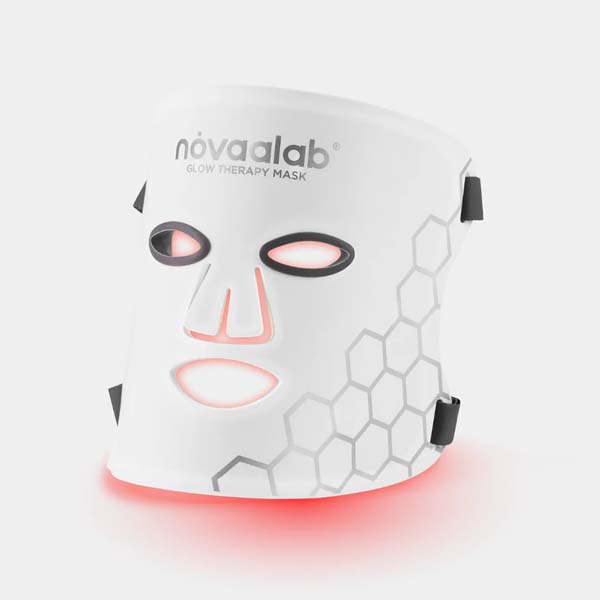
The Novaa Glow earns our top spot as the best overall red light therapy face mask for 2026. With 108 quad-chip LEDs delivering 39 mW/cm2 of therapeutic power, this mask strikes the perfect balance between intensity, wavelength variety, and treatment efficiency. Novaa has created a premium facial device that delivers professional-grade results in a comfortable, user-friendly package.
What truly sets the Novaa Glow apart is its intelligent mode design. Unlike competitors that force multi-color combinations, the Novaa Glow offers four single-color modes (450nm blue, 580nm amber, 630nm red, and 830nm near-infrared) plus two combination modes. This design philosophy acknowledges the physics of light therapy: when you use single-color modes, you receive the most of the 39 mW/cm2 intensity of that specific wavelength. This concentrated delivery is significantly more effective than splitting power across multiple colors and allows for optional daily light dosage in as little as 10 minutes.
The wavelength selection is thoughtfully chosen for comprehensive facial therapy. The 450nm blue light targets acne-causing bacteria and helps clear breakouts. The 580nm amber/yellow light reduces redness and improves skin tone. The 630nm red light stimulates collagen production and addresses surface-level aging concerns. The 830nm near-infrared penetrates deeper to support cellular repair and reduce inflammation. Having access to each of these individually means you can target specific concerns with maximum effectiveness.
The 108 quad-chip LEDs ensure excellent coverage across the entire face. The flexible silicone design conforms comfortably to facial contours, ensuring even light delivery without pressure points. With a 10-20 minute adjustable timer, you can customize session length based on your skin's sensitivity and treatment goals.
Novaa backs the Glow mask with a 60-day money-back guarantee and 1-year warranty with an optional 3 year extended warranty, giving you ample time to evaluate its effectiveness on your skin.
Best For: Users seeking the most effective facial light therapy with optimized therapeutic dose. Ideal for those with multiple skin concerns (acne, aging, redness). Comparable or better then premium influencer brands at a fraction of the price. The Novaa Glow is the perfect balance between performance and value.
Pros
- Four single-color modes for maximum efficiency
- 108 quad-chip LEDs for excellent coverage
- Comprehensive wavelength selection (450, 580, 630, 830nm)
- Adjustable 10-20 minute timer
- 60-day return policy
- Premium build quality
- Optional 3 year extended warranty
Cons
- Smaller battery (1500 mAh)
- No pulsing frequency options
View Novaa Glow
Loading...
#2
Freyara 4-Color LED Face Mask with Neck Piece Review
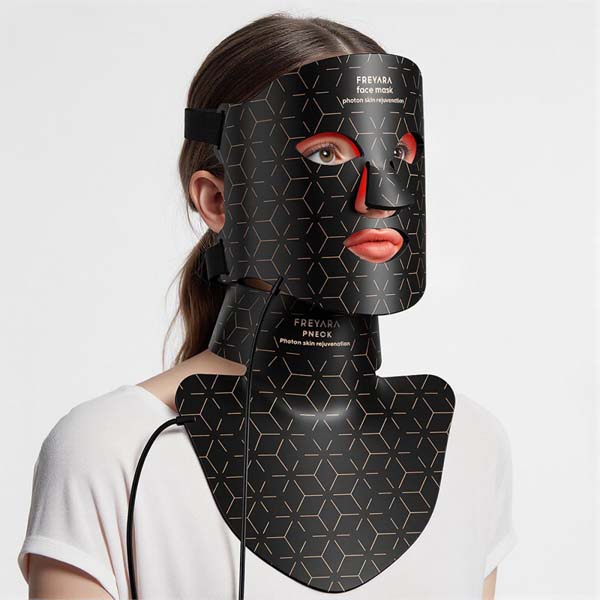
The Freyara 4-Color with Neck takes our #2 spot by offering comprehensive facial and neck coverage with an excellent single-color mode design. While many users focus exclusively on facial treatments, the neck is often where aging signs first appear—and this mask addresses both areas simultaneously. Freyara offers a solid mask and neck set which at an unbeatable price.
The mask features 60 quad-chip LEDs delivering 40 mW/cm2, while the neck piece adds another 60 quad-chip LEDs with identical specifications. This means you're getting consistent 40 mW/cm2 coverage across both your face and neck. The quad-chip configuration delivers four therapeutic wavelengths: 460nm blue for acne, 590nm amber for skin tone, 630nm red for collagen, and 850nm near-infrared for deep tissue repair.
The 3000 mAh battery is generously sized, providing ample power for extended face-and-neck treatments. The 10-30 minute adjustable timer lets you customize session length, and we recommend 10 minute treatments to achieve the ideal 5-9 Joule dosage at the 15-50% efficiency rate typical of the energy delivered through silicon mask barriers.
The inclusion of a dedicated neck piece is a significant value-add. The neck often shows age through wrinkles and sagging before the face, yet most masks ignore this area entirely. By treating both areas simultaneously, you maintain consistent skin appearance and health from jawline to collarbone.
Best For: Users who want comprehensive facial and neck coverage in one device. Best Value option for complete face & neck coverage, comparable sets are often 2-3x the price.
Pros
- Face AND neck coverage included
- Four single-color modes for maximum efficiency
- Optimal 40 mW/cm2 power density
- Large 3000 mAh battery
- Adjustable 10-30 minute timer
- Very good value for dual coverage
Cons
- Less even coverage with only 60 LEDs in the mask
- Lower range of total power of 2.4W mask & 2.4W neck attachment
- Only 30-day return period
- Hong Kong based (returns may be more complex)
View Freyara 4-Color with Neck
Loading...
#3
Hooga Red Light Therapy Face Mask Review (with Optional Neck Piece)
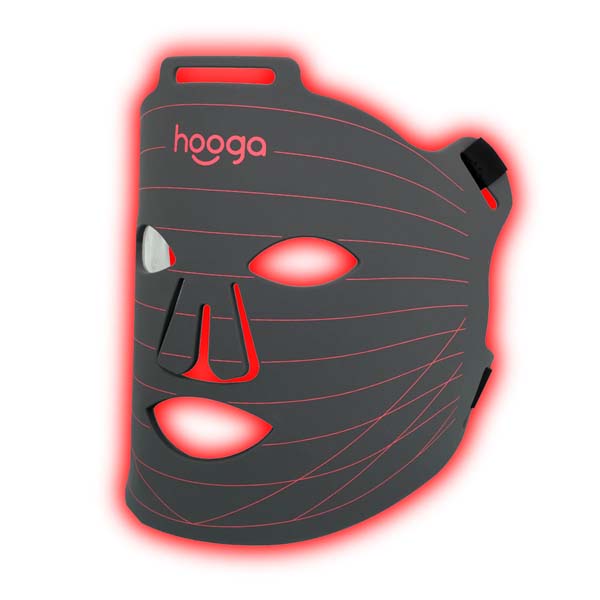
The Hooga Red Light Therapy Face Mask ranks #3 with the highest raw power density in our comparison at 75 mW/cm2. However, its limitation to a single multi-wavelength mode which means each LED chip is only receiving 25mw/cm2 of power. Due to this your total irradiance delivered is more comparable to masks with 40mw/cm2
The Hooga mask features 66 tri-chip LEDs delivering an impressive 5W total power output. The tri-chip design includes 630nm red, 660nm red, and 850nm near-infrared wavelengths per LED. This provides excellent wavelength coverage for anti-aging and skin healing covering the base red light and near-infrared wave lengths. This does lack the other wavelengths most other red light therapy masks include and one of the key defining features which sets the choice of a mask apart from a panel.
Hooga does offer multiple strengths including pulsing frequencies at 73Hz, 146Hz, and 292Hz, which may enhance certain therapeutic effects according to multiple studies. The adjustable timer (5-20 minutes) provides more flexibility then most masks, and the 3000 mAh battery ensures reliable cordless operation. The 60-day return period and 1-year warranty are competitive.
The optional neck piece adds 48 tri-chip LEDs with identical specifications, extending coverage to the neck area with the same wavelength combination.
Best For: Users who want a simple mask that focuses on just red and near-infrared light. Suitable for those primarily focused on general anti-aging and skin health rather than targeting specific concerns. Good for users who value pulsing frequency options. Comparable to many premium brands at a fraction of the price.
Pros
- Optimal joule dosage in 10 minute session
- One mode delivers good balance of 630nm, 660nm & 850nm
- Three pulsing frequency options (73, 146, 292Hz)
- Optional neck piece available
- Large 3000 mAh battery (5000 mAh with neck)
- 60-day return policy
- Reputable brand with good customer service
Cons
- Irradiance appears higher then competitors, actual delivered irradiance is not
- Less even coverage with only 66 LEDs
- No single-color concentration option to target specific conditions
- Limited wavelength variety (no blue or amber)
- Small red light therapy panels can provide similar or better results
View Mask Only
Loading...
View Mask + Neck
Loading...
#4
Freyara 4-Color Ice Cooling LED Face Mask Review

The Freyara 4-Color Ice Cooling Mask secures our #4 spot as top option for users who want a powerful red light therapy mask with an optional ice cooling silicon insert. With 69 quad-chip LEDs delivering 58 mW/cm2 and four dedicated single-color modes, this mask delivers effective therapy with all around top quality design.
The Freyara 4-Color Ice Cooling Mask features the same wavelength selection as its neck-equipped sibling: 460nm blue, 590nm amber, 630nm red, and 850nm near-infrared. The four single-color modes let you concentrate the full 58 mW/cm2 into one wavelength at a time, delivering more effective therapy in a shorter session. The higher power is specifically designed to help compensate for using the ice cooling silicon insert as this barrier will cause less irradiance to be delivered to your skin. You have the option to use the mask with or without the ice cooling silicon insert.
With 69 quad-chip LEDs, the Freyara 4-Color Ice Cooling Mask provides slightly more LED coverage than most red light therapy masks providing better coverage. This translates to more even light distribution across your facial contours. The 58 mW/cm2 power density is strong enough to deliver therapeutic doses in less then 10 minutes, or in 15 minutes when using the ice cooling pack.
The 3000 mAh battery provides reliable cordless operation, and the 10-30 minute timer gives you flexibility in session length. While it lacks the neck coverage of its #2-ranked sibling, it delivers the same core therapeutic technology with a higher overall irradiance and option to use the ice cooling silicon insert for added benefits with your red light therapy mask session.
The primary trade-off is the shorter 30-day return period and 1-year warranty compared to some competitors. However, for users who want a face mask designed with the proven key therapeutic features and want to minimize upfront investment, the 4-Color Ice Cooling Mask offers exceptional value.
Best For: Ideal as an entry-level mask for those new to red light therapy who want to experience the benefits of concentrated wavelength delivery. Above average in all key critical features. Good for users focused primarily on facial treatment without neck concerns.
Pros
- Excellent value for single-color modes
- Strong 58 mW/cm2 power density
- 69 quad-chip LEDs for good coverage
- Four single-color modes
- Large 3000 mAh battery
- Ice cooling face pack for added benefits
- More affordable than competitors with similar features
Cons
- Only 30-day return period
- No neck coverage option
- Hong Kong based
View Freyara 4-Color Ice
Loading...
Other Red Light Masks We Reviewed
While these masks didn't make our top 4, they may still be worth considering depending on your specific needs and budget.
Comparison Table - Additional Masks
Swipe to see more
| Product | LEDs | Total Power | Power Density | Wavelengths | Modes | Battery | Return/ Warranty | Price | View |
|---|---|---|---|---|---|---|---|---|---|
| Current Body Series 2 Mask Optional Neck Available |
110 Dual & Tri-chip | 3.9W | 30 mW/cm2 | 633, 830, 1072nm | 1 (all 3 combined) | 2600 mAh | 60 Day / 2 Year | $475.99 USD | View |
| Beam Mask Optional Neck Available |
60 Quad-chip 60/60 with Neck |
2.4W / 2.4W | 40 mW/cm2 | 460, 590, 630, 850nm | 4 single-color | 3000 mAh | 30 Day / 1 Year | Loading...
|
View |
| Higher Dose Red Light Mask Optional Neck Available |
66 Dual-chip | 5.5W | 83 mW/cm2 | 630, 830nm | 1 (both wavelengths) | 2600 mAh | 120 Day / 1 Year | $349 USD | View |
| Freyara 7-Color with Neck | 70/33 Tri-chip | 4W | 38 mW/cm2 | 460, 520, 630nm | 7 (3 single modes, 4 mixed) | 1200 mAh | 30 Day / 1 Year | Loading...
|
View |
| Therasage Mask 2 Go | 54 Quad-chip | 4.7W | 87 mW/cm2 | 415, 590, 660, 850nm | 3 (2 single modes, 1 mixed) | 2600 mAh | 30 Day / 1 Year | Loading...
|
View |
| Therasage 7-Color Mask | 88 Quad-chip | 3W | 34 mW/cm2 | 470, 520, 630, 850nm | 8 (4 single modes, 4 mixed) | 1000 mAh | 30 Day / 1 Year | Loading...
|
View |
| Freyara 4D Professional with Neck | 68/32 | 2W | 20 mW/cm2 | 460, 520, 630, 850nm | 8 (4 single modes, 4 mixed) | 2000 mAh | 30 Day / 1 Year | Loading...
|
View |
| Freyara 7-Color Wireless | 80 Tri-chip | 1.85W | 23 mW/cm2 | 470, 520, 630nm | 7 (3 single modes, 4 mixed) | 500 mAh | 30 Day / 1 Year | Loading...
|
View |
| Foreo FAQ 202 Mask | 50 Quad-chip in frame - 600 points | 1.67W | 2.8 mW/cm2 | 465, 520, 650, 850nm | 8 (4 single modes, 4 mixed) | 680 mAh | 14 Day / 2 Year | $799 USD | View |
Current Body Series 2 Mask
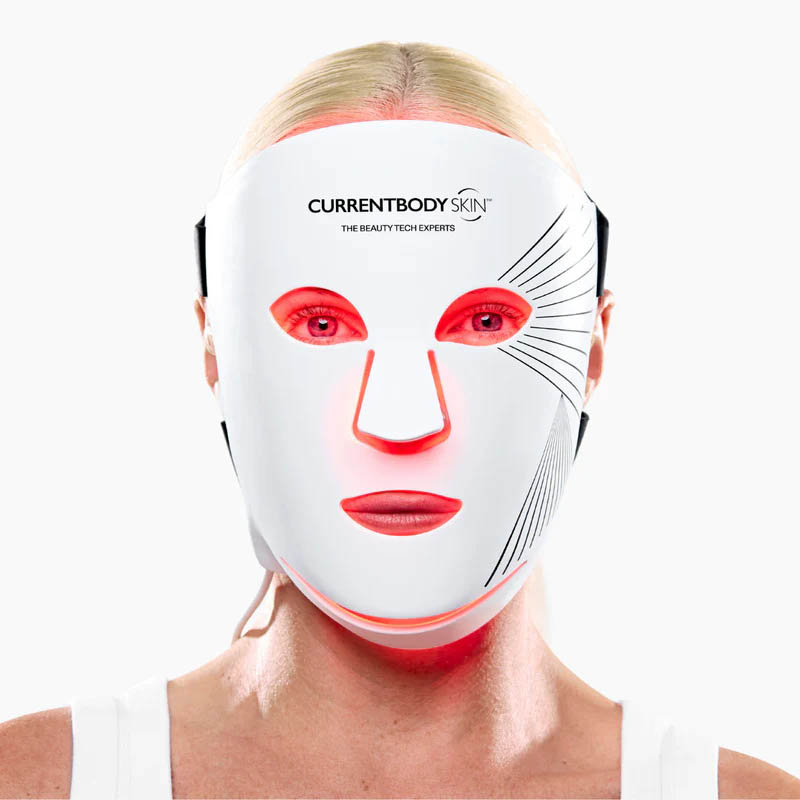
The Current Body Series 2 Mask is one of the most well-known red-light therapy masks, however it does comes at a premium price point, is that premium price point worth it. The mask has 110 LEDs, 94 dual-chip with 633nm & 830nm and 16 tri-chip which include the additional 1072nm wavelength that provides much deeper penetration. This 1072nm near-infrared wavelength is really what sets the Current Body Series 2 Mark apart from competitors. Although only 16 of the 110 LEDs use this wavelength, ass positioned around the mouth and under the eyes.
The 30 mW/cm2 may first appear to be underpowered at first the mask can still deliver comparable irradiance as the mask uses a thinner transparent silicon barrier which lets more irradiance through, allowing for optimal dosing in just a 10-minute session. Additionally there is chin coverage which is not typically found in most masks. This does show the unique design has had considerable engineering through behind it.
However there is only one mode which runs all 3 wave lengths at once, this design choice causes less 633nm red light and more 830/1072nm near-infrared lights in the 16 tri-chip LEDs. There are no additional wave lengths for blue or yellow lights.
While this is a top-quality mask if you want just red and near-infrared light, with the 1072nm setting it apart from many others. Our only criticism, and the reason it didn’t make our top 4, is you can achieve similar or better results at a lower or similar price using a small red light therapy panel which also provides more versatility. But if you are set on using a red-light therapy mask the Current Body Series 2 should be a series consideration.
Pros
- Includes 1072nm wavelength
- Excellent coverage with 110 LEDs
- Therapeutic dose in 10 mins
- Chin coverage
- Excellent 60 day trial and 2 year warranty
Cons
- No 460nm blue or 590nm yellow wave lengths
- No single light modes
- 1072nm doesn’t cover full face
- Premium price - $475.99 USD
Beam Red Light Therapy Face Mask (Optional Neck Piece Available)
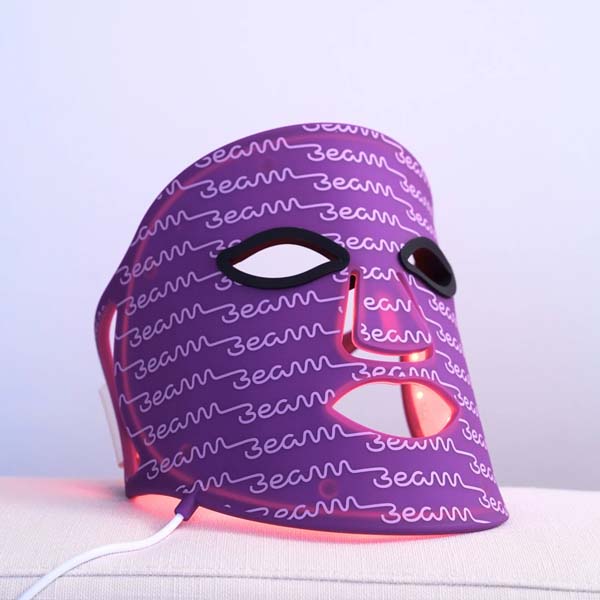
The Beam Mask offers specifications nearly identical to the Freyara 4-Color LED Mask, with 60 quad-chip LEDs delivering 40 mW/cm2 and four single-color modes (460nm blue, 590nm amber, 630nm red, 850nm near-infrared). The mask performs well and delivers effective single-wavelength therapy.
However, at Loading... for the mask alone and Loading... with the neck piece, the Beam is significantly more expensive than competitors offering very similar specifications. This pricing discrepancy is the primary reason the Beam didn't make our top 4, despite its solid performance.
If budget is not a concern and you prefer the Beam brand and dealing with a USA based company, the mask does deliver quality single-color therapy. The optional neck piece uses identical 60 quad-chip LED specifications for consistent treatment across face and neck.
Pros
- Four single-color modes
- Solid 40 mW/cm2 power density
- Optional neck piece available
- Good build quality
Cons
- More expensive compared to competitors
- Less even coverage with only 60 LEDs in the mask
- Lower range of total power of 2.4W mask & 2.4W neck attachment
View Mask Only
Loading...
View Mask + Neck
Loading...
Higher Dose Red Light Mask
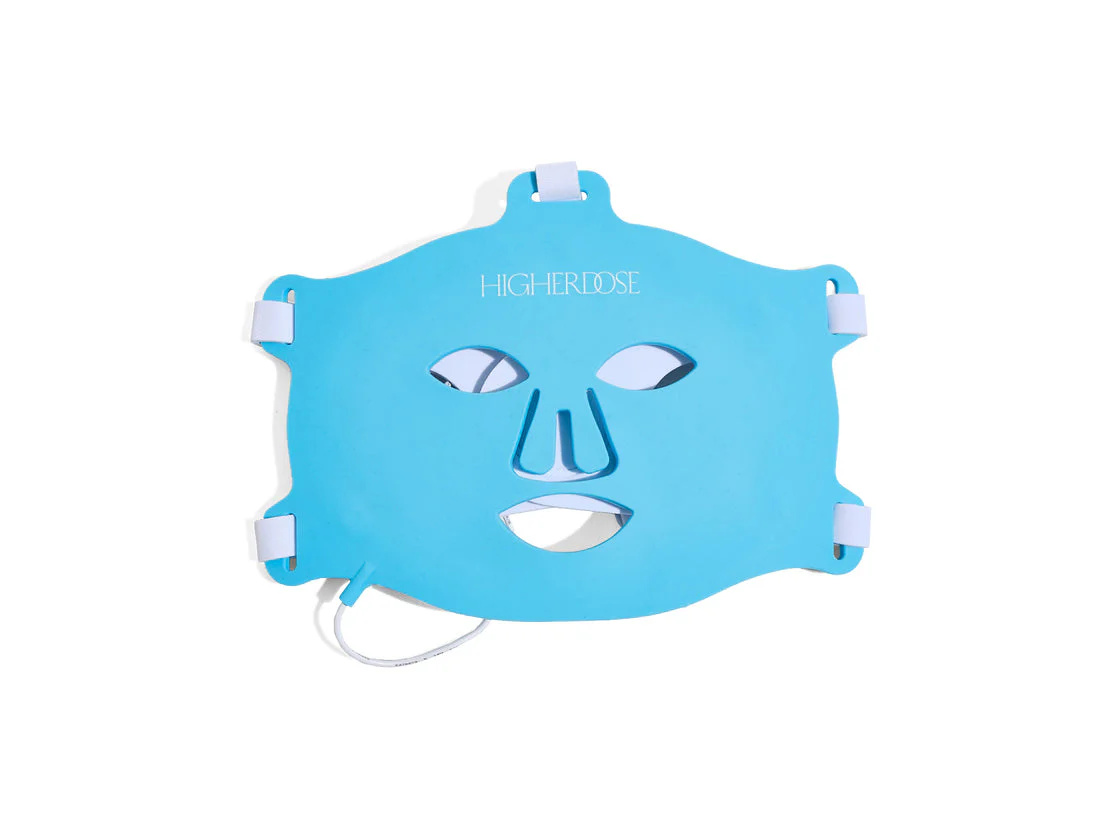
High Dose is a well know brand, especially for their high quality sauna blankets. In recent years they released red light therapy mask expanding their health and wellness line. With their brand recognition and online influencer marketing their red light therapy mask does sell at a slightly higher price point then some masks but still is more affordable then many others.
The mask is quite powerful with our calculations finding each LED diode has the strength of 83 mW/cm2 and operating only with one mode with both 630nm red light and 830nm near infrared lights on. With 5.5W total operating power we calculated the Higher Dose Masks total irradiance per LED diode is a whopping 83mw/cm2. This comes with pros and cons, as you can achieve an ideal red light therapy joule dosage in approximately 5-6 minutes compared to the regular 10-minute session required by most masks. However, with the higher irradiance user with sensitive skin might find this mask too strong.
The mask is very easy to use with very simple controls of just turning on and off with a 10-20 minute time option. Although if you use the 10 minute time option it is possible to receive a higher then required joule dosage which can lead lesser results then using the mask for a shorter period of time. The mask has 66 LED diodes which provides good overall coverage but can lead spots not getting the full coverage you may desire.
Overall it is a good quality mask and you are likely going to get better results with the Higher Dose Red Light Therapy Mask then an underpowered mask. It does come with an amazing 120 day trial period which is industry leading so if you do want to try the Higher Dose Red Light Therapy mask you can try it worry free and really decide if it is right for you.
Pros
- 120 day trial period
- Therapeutic dose in 5-6 minutes
- Very easy control to use
- Good 2600mAh battery
Cons
- No blue 460nm or yellow 580nm wavelengths
- Might be too strong for those with sensitive skin
- Can be substituted for small red light therapy panel
- Limited features
Freyara 7-Color Face Mask with Neck Piece
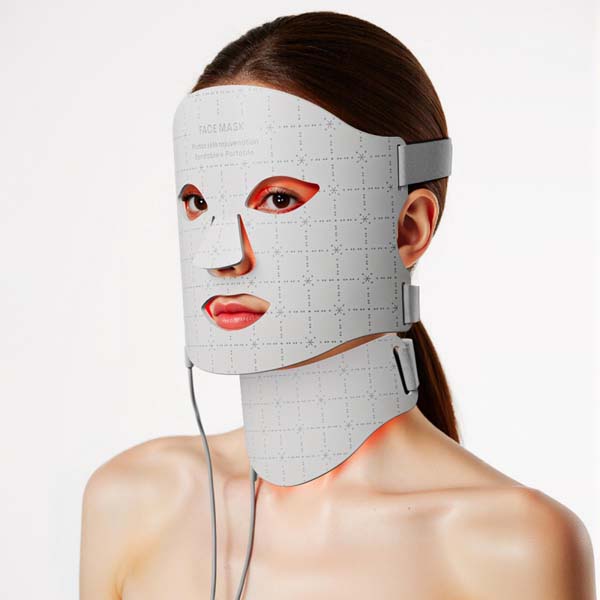
The Freyara 7-Color with Neck offers a different approach than its 4-Color siblings. With 70 tri-chip LEDs on the face piece and 33 on the neck, it delivers 38 mW/cm2 across seven modes.
There are only 3 wavelength, 460nm blue, 520nm green, and 630nm red. The omission of near-infrared (850nm) limits its effectiveness for deeper tissue concerns. The remaining 4 modes are all combintions of previous 3 wave lengths.
The battery size is also on the lower side at only 1200mAh, meaning you will have to recharge it more often. For slightly more we reccomend upgrading to the Freyara 4-Color with Neck as beats the Freyara 7-Color Face Mask in all areas. Although if price is a concern this certainly is a more budget friendly alternative.
Pros
- Affordable face-and-neck coverage
- 520nm (green) wavelength instead of 590nm (yellow)
- Good LED count in mask
Cons
- the 7 colors are mainly mixed wavelengths
- Only 3 wavelength, no near-infrared
- Lower power density than 4-Color models
- Small battery size
View Freyara 7-Color with Neck
Loading...
Therasage Mask 2 Go 3-Color Face Mask
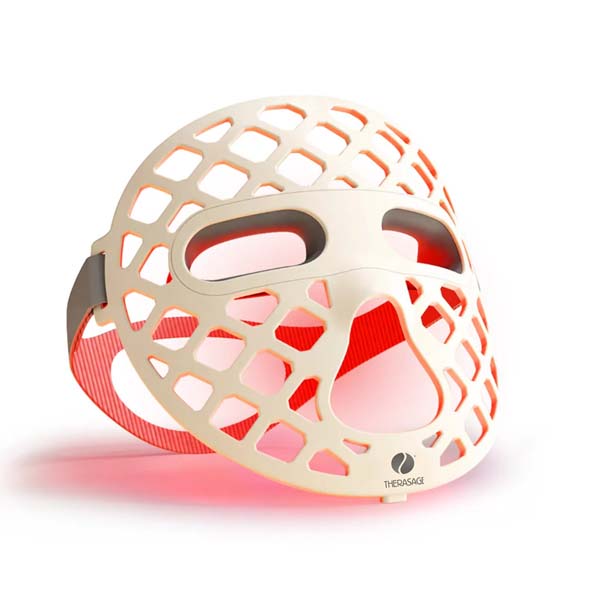
The Therasage Mask 2 Go features 54 quad-chip LEDs delivering an impressive 87 mW/cm2. While this initally seems very powerful the mask has a rigid design which sits away from your face. This causes a lower light intensity to be delivered to your skin. However this does lead to a more even distribution of light across your entire face in certain areas as the light disburses over a larger area.
It offers four wavelengths 415nm blue, 590nm amber, 660nm red, and 850nm near-infrared. This is a good variaty of wavelenghs however the 660nm red and 850nm near-infrared are combined into a single mode causing the irradiance power to be divided between active wavelengths.
Our tests have shown irradiance can drop below 10% of the LED power density at 1cm away, a conservative estimate based on the distance the mask design sets the LEDs away from your face. The higher power density of 87 mW/cm2 does certainly help compensate for this but it stil leads to needing closer to 20+ minute treatment sessions for comparable results to silicon facemasks that rest direct against the skin, however for those who find silicon masks uncomfortable this may be a suitable trade off in requiring longer treatment time.
Pros
- comfortable design, doesn't press against skin
- Good wavelength variety
- Good battery size 2600 mAh
Cons
- Red & near-infrared only in mixed mode
- May require longer session times
- Some areas of face may be further away from LEDs
View Therasage Mask 2 Go
Loading...
Therasage 7-Color Face Mask
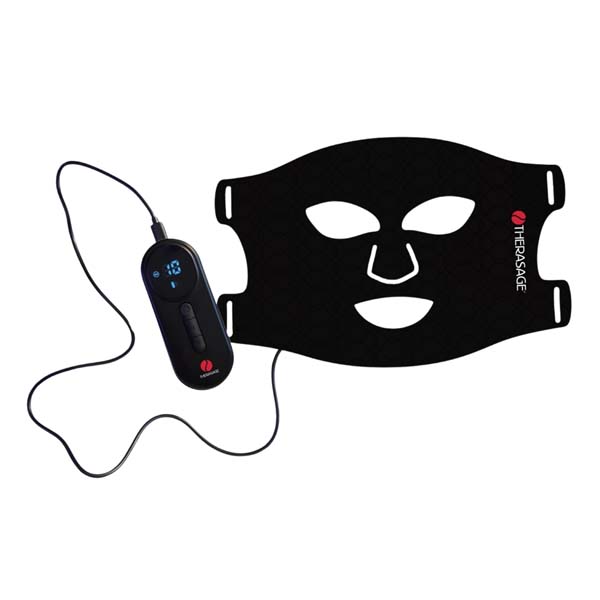
The Therasage 7-Color Mask features 88 quad-chip LEDs but only delivers 34 mW/cm2—one of the lower power densities in our comparison. It offers eight modes mixing 470nm blue, 520nm green, 630nm red, and 850nm near-infrared wavelengths.
The high LED count suggests better then average coverage, but the lower power density means slightly longer treatment times are needed for effective dosing. While there are 7 advertised colors, 4 of these are mixed modes combining the 3 pirmary colors; 470nm blue, 520nm green and 630nm red. It also has a smaller sized battery of only 1000 mAh, meaning more often recharging and possibly a shorter lifespan.
Overall the Therasage 7-Color Face Mask is a solid mask that delivers a therapeutic dosage of light offering 4 wavelengths, however it falls slightly short of comparable masks at a comparable price point in our top 4 such as the Novaa Glow.
Pros
- High LED count (88) providing better coverage
- Four wavelength
- 520nm (green) wavelength instead of 590nm (yellow)
Cons
- Lower power density (34 mW/cm2)
- Small battery size only 1000 mAh
View Therasage 7-Color Mask
Loading...
Freyara 4D Professional Face Mask with Neck Piece
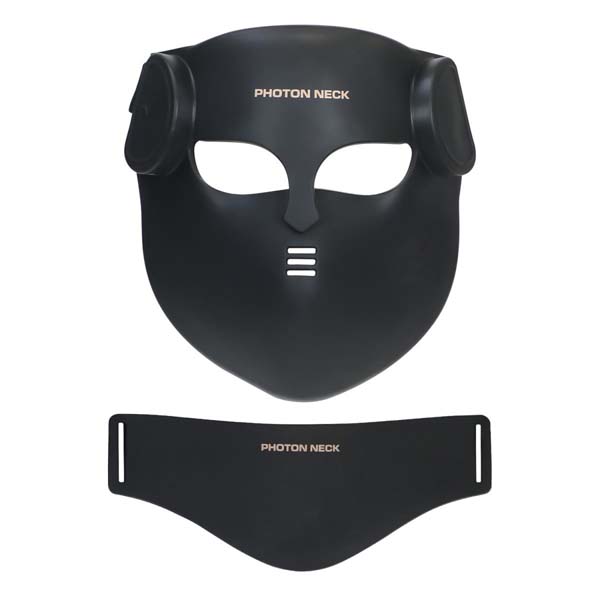
The Freyara 4D Professional offers face and neck coverage with 68 LEDs on the face and 32 on the neck. However, it only delivers 20 mW/cm2—significantly lower than other options. The eight total modes with 4 differnt wave lengths; 460nm, 520nm, 630nm and 850nm wavelengths in single modes and various combinations.
The lower power density means you'll need much longer treatment times to achieve comparable therapeutic doses. Combined with the mixed-mode options, this mask is less efficient than our top picks. At Loading..., it's priced higher than better-performing alternatives, even within Freyaras own line of masks.
Pros
- More comfortable 4D design
- 4 wavelengths
Cons
- Low power density (20 mW/cm2)
- Expensive for specifications
- Only 30-day return period
- Hong Kong based (returns may be more complex)
View Freyara 4D Professional
Loading...
Freyara 7-Color Wireless Face Mask
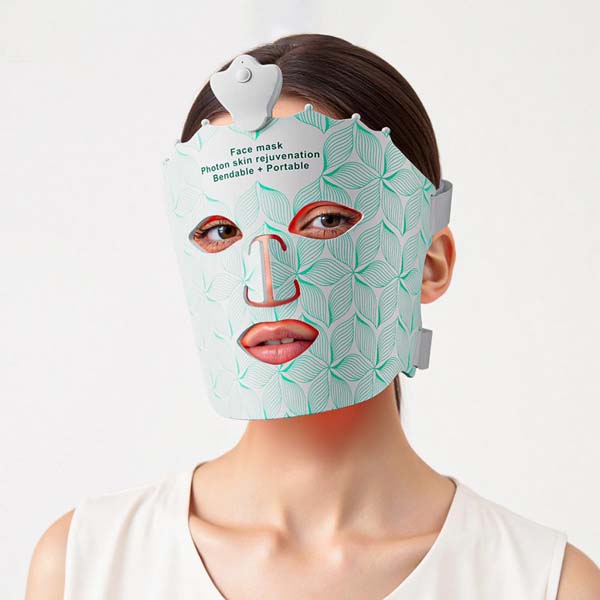
The Freyara 7-Color Wireless is the most budget-friendly option in our comparison at Loading.... It features 80 tri-chip LEDs delivering 23 mW/cm2 across seven mixed modes using 470nm blue, 520nm green, and 630nm red wavelengths.
The lower power density and mixed-mode design limit its effectiveness compared to our top picks. The 500 mAh battery is also the smallest in our comparison, providing fewer treatments between charges and a loweroverall lifespan for the battery and product itself. While the wireless design does seem more convenient it does come at the cost of effectiveness. For an entry level mask you can receive results, it just requires longer then average sessions of 20+ minutes.
Pros
- Most affordable option
- Good LED count (80 tri-chip)
- Wireless convenience
Cons
- Low power density (23 mW/cm2)
- Small battery (500 mAh)
- No near-infrared
View Freyara 7-Color Wireless
Loading...
Foreo FAQ 202 Mask
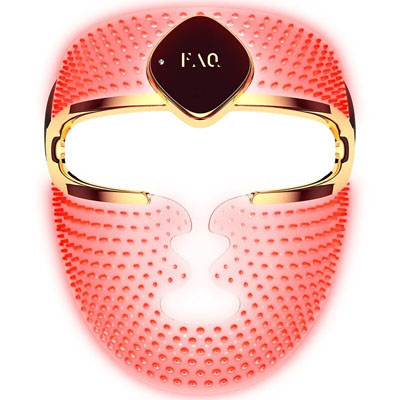
While the Foreo FAQ 202 Mask has been heavily promoted by social media influencers and comes at one of the most premium price points at $799 it really fails to deliver when you dive down into the specs and want to receive clinically proven dosages of 5-9 joule light therapy. While Foreo does not advertise their irradiance through our resaerch and third-party testing we were able to dissect what it truly delivers.
The Foreo mask advertises 600 “lights points”, but in reality these 600 light points are only illuminated by the 50 LEDs around the visor with the rest of the construction being silicon. Not only do we feel this is misleading, but it is not an effective way at delivering the light to your skin as there is much irradiance lossage using this method. Adding to the issue that the mask sits away from your skin. While they do advertise 8 color modes this is again mode up of the 4 different wave length modes of 465nm, 520nm, 650nm and 850nm.
The Foreo advertises a 680mAh battery with a 90 minute total usage charge, this allows us to determine the total power output is a very low 1.677 watts. Not accounting for the irradiance lossage through the silicon this leads hypothetically to each 600 of the LED points only having a potential 2.8mw/cm2 irradiance. In practical application you receive far less then 1mw/cm2 with one third party tester finding irradiance of only 0.2mw/cm2. For context to receive a similar clinically proven red light therapy dosage as other red light therapy masks provide in 10 minutes you would have to wear the Forero FAQ 202 Mask for over 6 hours, and even then, it is questionable that such a low irradiance could have the adequate penetration depth.
If there is some legitimacy behind the Foreo FAQ 202 Mask the company really should be providing some third-party research on the benefits of ultra low irradiance dosing and not comparing it as an alternative to other LED Red Light Therapy Masks.
Pros
- You can save $799USD reading this review
Cons
- Extremely low irradiance
- Cannot practically reach proven light dosage
- Small battery 680mAh
- Short 14 day return policy
- Very expensive
Benefits of Red and Near-Infrared Light Therapy for Facial Skin
Red light therapy has been extensively studied for its effects on skin health and appearance. When delivered at appropriate wavelengths and power densities, it can provide numerous benefits:
Collagen Production and Anti-Aging
Red light (630-660nm) stimulates fibroblasts—the cells responsible for producing collagen and elastin. Increased collagen production helps reduce fine lines and wrinkles, improve skin elasticity, and create a more youthful appearance. Near-infrared light (830-850nm) penetrates deeper to support cellular repair mechanisms that decline with age.
Acne Treatment
Blue light (450-470nm) targets Propionibacterium acnes, the bacteria responsible for inflammatory acne. When used consistently, blue light therapy can reduce active breakouts and help prevent new ones from forming. The anti-inflammatory effects of red and near-infrared light also help reduce redness and swelling associated with acne.
Skin Tone and Texture
Amber and yellow light (580-590nm) can help reduce redness and improve overall skin tone. These wavelengths are particularly beneficial for addressing rosacea, sun damage, and uneven pigmentation. Regular use can result in smoother, more even-toned skin.
Inflammation Reduction
Near-infrared light penetrates deepest into tissue, where it can reduce inflammation at the cellular level. This helps calm irritated skin, reduce puffiness, and support the skin's natural healing processes. For conditions like dermatitis or post-procedure recovery, NIR light can accelerate healing.
Wound Healing and Scar Reduction
Both red and near-infrared light have been shown to accelerate wound healing by increasing cellular energy production (ATP) and improving circulation. This can help reduce the appearance of scars, including acne scars, when used consistently over time.
Enhanced Product Absorption
Light therapy can improve skin permeability, allowing serums and moisturizers to penetrate more effectively. Many users apply their skincare products immediately after LED treatments for enhanced absorption and efficacy.
Frequently Asked Questions
How long should I use a red light therapy mask each session?
Most experts recommend 10 minute sessions, depending on the mask's power density. Masks delivering 40+ mW/cm2 can achieve therapeutic doses in 10 minutes, while lower-power masks may require 15-20 minutes. The ideal dosage is 3-9 Joules per treatment area. As parts of your face will be directly against the mask receiving up to 50% of the total irradiance power of the LED while others which are further away from mask may only receive 15% we recommend targeting 8-9 joules based on 40-50% irradiance efficiency. This accounts for the variability of irradiance on different areas of your face and still allows you to receive an optimal joule dosage.
How often should I use my LED face mask?
For optimal results, use your mask 3-5 times per week. Consistency is more important than frequency—regular treatments over time produce better results than sporadic intensive use. Some users with specific concerns (like active acne) may benefit from daily use initially, then reduce to maintenance frequency once results are achieved.
When will I see results from red light therapy?
Results vary by individual and concern being addressed. Many users report improved skin texture and reduced redness within 2-4 weeks. Collagen production and anti-aging benefits typically become noticeable after 8-12 weeks of consistent use. Acne improvements may be visible within 1-2 weeks when using blue light modes. Consistency is key—results require regular, ongoing treatments.
Are red light therapy masks safe?
Yes, red light therapy is generally considered safe for most users. The wavelengths used in LED masks are non-ionizing and don't damage DNA. However, users with certain conditions should consult a dermatologist first: those with photosensitivity disorders, users of photosensitizing medications, individuals with a history of skin cancer, or those with active skin infections. Always follow the manufacturer's guidelines for treatment duration.
Can I use red light therapy with my skincare routine?
Yes, red light therapy can complement your skincare routine. For best results, cleanse your face before treatment to ensure light can penetrate effectively. Apply serums and moisturizers after your light therapy session—some studies suggest light therapy can enhance product absorption. Avoid using photosensitizing products (like retinol or certain acids) immediately before treatment, as they may increase sensitivity.
Why do you recommend single-color modes over multi-color modes?
Single-color modes concentrate the full power output into one wavelength, delivering maximum therapeutic intensity for that specific color. When multiple colors are activated simultaneously, the total irradiance is split between them. Additionally, light loses intensity passing through the silicon mask barrier. A 33% power reduction can result in a 50% drop in delivered irradiance, while a 50% reduction can cause a 75% drop. Multiple shorter single-color sessions deliver more total therapeutic energy than one longer multi-color session.
Do I need a mask with neck coverage?
The neck often shows aging signs (wrinkles, sagging, texture changes) before the face, yet most skincare routines focus exclusively on facial treatments. A mask with neck coverage ensures consistent treatment from jawline to collarbone, maintaining uniform skin appearance. If your budget allows, the added neck coverage is worthwhile for comprehensive anti-aging benefits. If not, focus on treating your face effectively first.
What's the difference between 830nm and 850nm near-infrared?
Both wavelengths are effective for deep tissue penetration and cellular repair. 830nm is sometimes preferred for facial applications as it may penetrate more precisely to skin depth without going too deep. 850nm penetrates slightly deeper and is commonly used in both facial and body devices. For facial therapy, both are effective—the difference is minimal for most users.
Can I share my LED mask with family members?
Yes, LED masks can be shared, provided the silicon mask is cleaned between uses. Most masks can be wiped down with a gentle, non-alcohol-based cleanser. Check the manufacturer's cleaning instructions. For hygiene, some families prefer masks with removable, washable inner liners, though this feature is uncommon in current mask designs.
Will my LED mask lose effectiveness over time?
LEDs have very long lifespans—most quality LEDs are rated for 50,000+ hours of use. At typical usage (20 minutes, 4 times per week), that's over 100 years of operation. The LEDs in your mask will likely outlast the battery and other electronic components. However, battery capacity will gradually decline over years of use, eventually requiring replacement or more frequent charging.
Scientific Studies on Red Light Therapy
Effects of LED Therapy on Skin Rejuvenation
A 2014 study published in Photomedicine and Laser Surgery demonstrated that LED therapy significantly improved skin complexion, skin feeling, and collagen density. Participants showed measurable improvements in skin roughness and wrinkle reduction after 12 weeks of treatment.
Low-Level Light Therapy for Acne Vulgaris
Research published in the Journal of Clinical and Aesthetic Dermatology found that blue light therapy significantly reduced inflammatory acne lesions. The study confirmed that 415nm blue light effectively targets P. acnes bacteria while red light reduces associated inflammation.
Source: PubMed - Gold MH et al. (2011)
Photobiomodulation for Skin Anti-Aging
A comprehensive review in the journal Dermatologic Therapy examined multiple studies on light therapy for skin aging. The analysis found consistent evidence that red and near-infrared light stimulate collagen production, improve skin elasticity, and reduce the appearance of fine lines and wrinkles.
Source: PubMed - Jagdeo J et al. (2018)
Effects of Pulsed Light vs Continuous Wave
Research published in Lasers in Surgery and Medicine compared pulsed and continuous light delivery for tissue repair. The study found that certain pulsing frequencies (particularly 10Hz and 40Hz) may enhance specific therapeutic effects compared to continuous wave delivery, though both are effective.
Source: PubMed - Barolet D (2008)
Mechanisms of Photobiomodulation
A detailed review in Physiological Reviews explained the cellular mechanisms behind light therapy. The study confirmed that red and near-infrared light stimulate mitochondrial function, increasing ATP production and activating cellular repair pathways. This cellular energy boost explains the wide-ranging benefits of light therapy.