
Expert Reviewed Best Red Light Therapy Applicators Buyers Guide
How to Choose the Right Handheld Device for Targeted Muscle Recovery, Pain Relief, and Skin Treatment
Welcome to our comprehensive 2026 Red Light Therapy Applicators buyers guide. Unlike full-body panels or face masks, red light therapy applicators are designed for targeted, concentrated treatment of specific body areas. These handheld devices deliver therapeutic light directly to muscles, joints, and skin spots that need attention. Muscles require higher joule dosing (20-60 joules) for optimal results, while the whole body typically only requires (5-9 joules). Studies have shown large muscle groups can be dosed as high as 300 joules.
Red light therapy applicators are particularly effective for treating muscle soreness, joint pain, inflammation, and targeted skin concerns. Their concentrated delivery allows for deeper penetration and higher energy doses in specific areas. Some models also include blue light, providing a useful secondary feature for targeting acne and skin issues in specific spots.
In this guide, we rank the top 4 applicators based on power density, wavelength selection, treatment flexibility, and overall value. We also review additional options for those with specific needs or budgets. All devices in this guide are designed for targeted application—whether you're an athlete recovering from workouts, someone managing chronic pain, or treating specific skin concerns.
Quick Navigation
Key Attributes to Consider When Choosing a Red Light Therapy Applicator
- Power Density (mW/cm²): This measures how much light energy is delivered per unit area. For targeted muscle and joint therapy, look for 100+ mW/cm² which can deliver 6+ joules per minute. Higher power densities allow shorter treatment times while delivering therapeutic doses. Laser devices with higher outputs can reach the deepest tissue.
- Total Power Output (Watts): The overall power output determines how much total energy the device delivers. For applicators, 5-20W is typical, with higher wattage enabling faster treatments and better penetration.
- Wavelength Selection: Different wavelengths provide different therapeutic benefits:
- Blue Light (450-470nm): Targets acne bacteria, useful for treating specific skin breakouts and blemishes.
- Red Light (620-660nm): Stimulates collagen, improves circulation, reduces inflammation in superficial tissues.
- Near-Infrared Light (800-940nm): Penetrates deepest into muscles and joints, reduces deep inflammation, accelerates healing.
- LED Configuration: More LEDs generally provide better coverage and target larger areas at once. Consider the size of the device and the area it will be able to cover.
- Operating Modes: Multiple modes let you customize treatments. Single-wavelength modes deliver concentrated therapy for specific concerns, while combination modes offer convenience for general use. Pulsing modes may enhance certain therapeutic effects.
- Treatment Timer: Built-in timers ensure consistent dosing. For high-power applicators, 3-10 minutes is often sufficient. Lower-power devices may require 15-20 minute sessions.
- Battery Life: Cordless operation provides flexibility. Look for 2000+ mAh batteries for multiple treatments between charges. Some high-power devices have shorter battery life due to energy demands.
- Portability and Design: Handheld applicators should be comfortable to hold and position against the body. Consider weight, grip design, and whether the shape fits your intended treatment areas.
- Return Policy and Warranty: A 30-60 day return period lets you test effectiveness. Quality applicators typically offer 1-2 year warranties.
Important Note on Power Delivery: The power density figures listed represent LED output power at the 0'. According to studies applicators should be used no more then 2cm away. Direct contact allows to deliver the maximum amount of energy but over a smaller area where using them up to 2cm away will cover a larger area.
Quick Comparison - Top 4 Red Light Therapy Applicators
Swipe to see more
| Specification | #1 Novaa Light Switch | #2 UTK Therapy Paddle | #3 Novaa Extra Strength Laser | #4 Hooga Dot |
|---|---|---|---|---|
| Total Power | 15W | 10W | 18W | 3W |
| LED Count | 15, 20, 10 | 12 | 16 | 19 |
| Power Density | 150 mW/cm² | 200 mW/cm² | 800 mW/cm² | 120 mW/cm² |
| Wavelengths | 470, 630, 660, 850, 940nm | 470, 660, 850, 940nm | 650, 808nm | 660, 850nm |
| Modes | 3 modes | 3 modes + pulsed | 1 mode | 3 modes |
| Timer | 3-30 mins | 20 mins | 5-30 mins | 15 mins |
| Battery | 2600 mAh | 3000 mAh | 2600 mAh | 450 mAh |
| Return/Warranty | 60 Day / 1 Year (3 year for additional 12%) | 30 Day / 1 Year | 60 Day / 1 Year | 60 Day / 1 Year |
| Price | Loading... | Loading... | Loading... | Loading... |
| View Product | View Novaa Light Switch | View UTK Paddle | View Novaa Laser | View Hooga Dot |
We have ranked the red light therapy applicators based on overall effectiveness, power density, wavelength variety, and value for targeted treatment.
Our Top 4 Picks - Detailed Reviews
#1
Novaa Light Switch Red Light Therapy Device Review
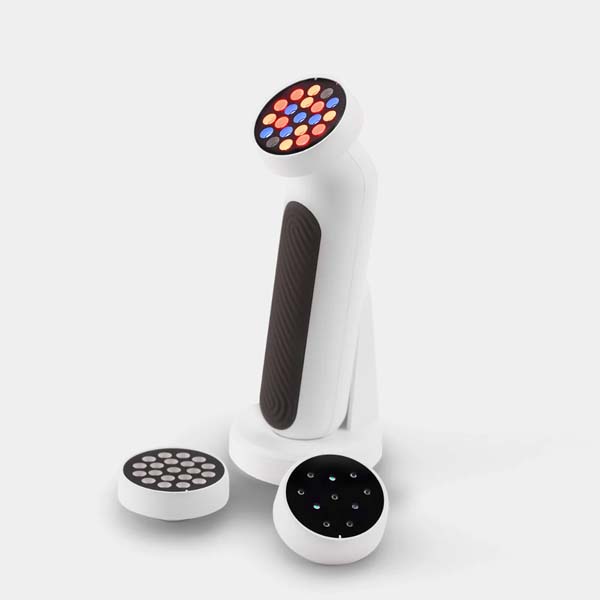
The Novaa Light Switch earns our top spot as the best overall red light therapy applicator for 2026. Delivering 15W of total power at an impressive 150 mW/cm², the device has 3 separate head attachments with different LED combinations which allow for precise targeting of your exact issue while delivering the maximum power without sacrificing the versatility.
The base package comes with the Pain Relief LED Head with the option to include the other 2 at an additional cost.
- Pain relief LED Head: 15x red LED lights 620-625nm + 5x near-infrared LED lights 845-850nm
- Perfect Skin LED Head: 6x red LED lights 620-625nm + 6x blue LED lights 460-470nm + 6 yellow LED lights, 585- 595nm + 2x near-infrared LED lights 845-850nm
- Extra strength Laser LED Head: 7x red laser lights 650nm + 3x near-infrared laser lights 808nm
What sets the Light Switch apart is its comprehensive interchangeable head options. All 3 heads are intelligently designed for maximizing the desired wavelengths for each specific application so you can receive the maximum therapeutic output each session. In comparison most other devices use a combination of different LEDs which only specific LEDs are active during different modes which may reduce the total power for the specific wavelengths you are looking to use.
The Light Switch offers three distinct treatment modes that provide flexibility for different therapeutic needs. The first mode combines 625nm/850nm for classic red/NIR therapy. The second mode adds 470nm blue and 590nm amber wavelengths, making it ideal for skin concerns. The third mode uses 650nm/808nm in a laser-style configuration for intense deep tissue or joint work. This versatility means you can customize treatments based on whether you're addressing muscle soreness, joint pain, or skin issues.
With its 2600 mAh battery, the Light Switch delivers reliable cordless operation for multiple treatment sessions. The adjustable 3-30 minute timer lets you customize session length based on your needs—shorter sessions for quick spot treatments, longer sessions for deeper muscle work. At 150 mW/cm², even a 5-minute session delivers substantial therapeutic energy to targeted areas.
The device's design allows for direct skin contact, ensuring maximum energy transfer. With 150 mW/cm² you receive significantly more irradiance than panels used at distance. This means a 5-minute treatment can deliver 45 joules to a concentrated area, well within the therapeutic range for muscle recovery and pain relief.
Novaa backs the Light Switch with a 60-day money-back guarantee and 1-year warranty (with an option to extend to 3 years). This gives you ample time to evaluate its effectiveness on your specific concerns.
Best For: Users seeking the most versatile red light therapy applicator with comprehensive wavelength coverage. Ideal for those who want to treat a variety of concerns—muscle recovery, joint pain, and skin issues—with one device. Perfect for athletes, people with chronic pain conditions, or anyone wanting professional-grade targeted therapy at home.
Pros
- Five wavelengths for comprehensive treatment options
- High power density at 150 mW/cm²
- Three customizable treatment head attachments
- Adjustable 3-30 minute timer
- 60-day return policy
- Excellent build quality from reputable brand
Cons
- 2600 mAh battery while sufficient could be larger
- Higher price point if you purchase all 3 attachable heads
View Novaa Light Switch
Loading...
#2
UTK Red Light, Blue Light, Near Infrared Light Therapy Paddle Review
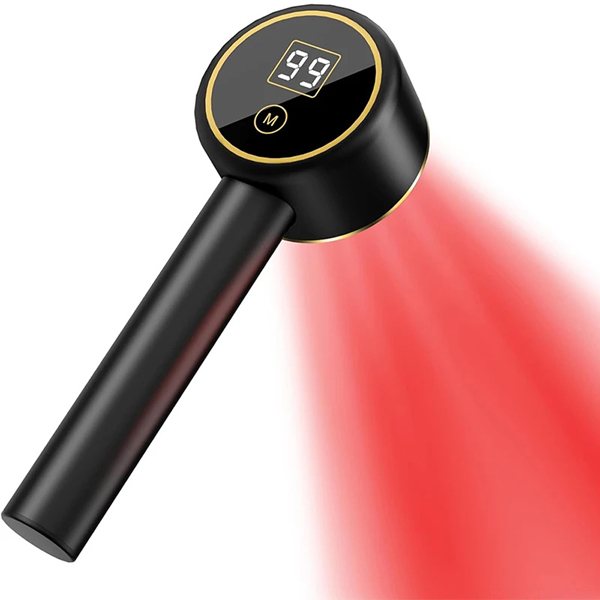
The UTK Therapy Paddle takes our #2 spot with the highest power density in our top four at an impressive 200 mW/cm². This paddle-style applicator is designed for treating larger muscle groups and areas that need broad coverage while still delivering concentrated therapeutic energy.
With 12 LEDs delivering 10W of total power, the UTK Paddle offers a well-balanced combination of intensity and coverage area. The four-wavelength system includes 470nm blue for skin concerns, 660nm red for surface tissue, and both 850nm and 940nm near-infrared for deep penetration. The inclusion of two different NIR wavelengths (850nm and 940nm) is particularly interesting—850nm is well-established for muscle and joint therapy, while 940nm may offer slightly deeper penetration for certain applications.
The UTK Paddle really shines with its 3 distinct operating modes, as well as a pulsing option for each mode. You can run all four wavelengths simultaneously for comprehensive treatment, or select specific combinations like 660/850/940nm for deep tissue work without blue light. There's also a 470/850/940nm mode for treating skin inflammation with deep healing, and the option to pulse all wavelengths. This level of control lets you fine-tune treatments for different conditions—use blue-inclusive modes for acne-prone areas, pure red/NIR modes for muscle recovery, and pulsing modes for enhanced cellular response.
The 20-minute fixed timer lets you easily use the device for longer periods of time without having to reset the timer. At 200 mW/cm², a 20-minute session delivers substantial therapeutic energy, up to 240 joules to the treatment area with direct contact. This is ideal for large muscle groups for effective muscle recovery and inflammation reduction, making it ideal for post-workout recovery or chronic pain management. With the strong irradiance of 200 mW/cm² using the device up to 2 cm away can cover larger areas while still hitting in the effective joule dosing range for muscles. With the addition of 470nm blue light holding the device further away can provide sufficient irradiance for skin issues as well.
The 3000 mAh battery is generously sized, providing extended cordless operation. The paddle design makes it easy to hold against thighs, calves, back, shoulders, or other larger muscle groups. Unlike smaller spot applicators, the paddle can cover more area in a single session while still delivering high power density. However the 200mW/cm² is a combination of all the different wavelengths, with the 12 LEDs and 4 wavelengths 25% of the irradiance is blue 470nm therefore not maximizing the irradiance towards specific wavelengths are modes.
Best For: Users who want the highest power density for rapid, effective treatments. Ideal for athletes and fitness enthusiasts treating larger muscle groups post-workout. Excellent for those with chronic pain conditions affecting broader areas. The paddle design makes it perfect for treating thighs, back, shoulders, and other large muscle groups efficiently.
Pros
- Highest power density in top 4: 200 mW/cm²
- Two NIR wavelengths (850nm + 940nm)
- Large 3000 mAh battery
- Paddle design covers larger treatment areas
- Blue light option for skin concerns
- Pulsing mode available
Cons
- Only 30-day return period
- Fixed 20-minute timer (no adjustability)
- Full 200 mW/cm² can't be targeted for specific wavelengths
- Lower LED count (12) than some competitors
View UTK Therapy Paddle
Loading...
#3
Novaa Extra Strength Laser Red Light Therapy Device Review
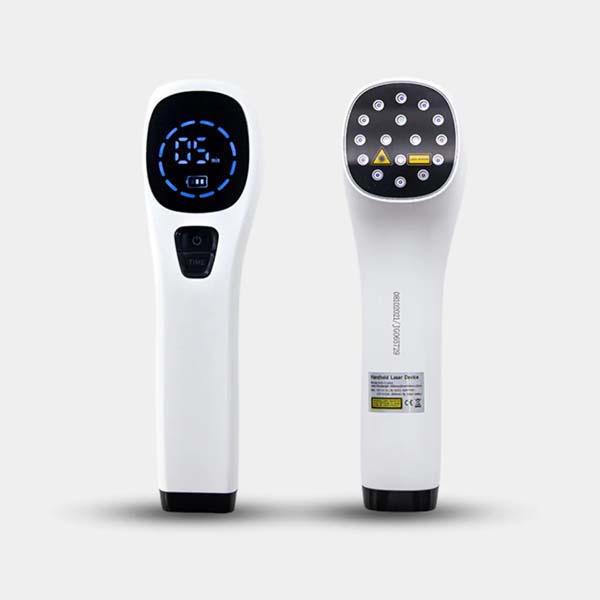
The Novaa Extra Strength Laser ranks #3 with an extraordinary 800 mW/cm² power density—the highest in our entire comparison. This class 3B laser-focused device is designed for users who want maximum therapeutic intensity in a concentrated treatment area, delivering clinical-grade power for rapid results.
With 18W of total power delivered through 16 precision LEDs, the Novaa Laser takes a different approach than our top two picks. Instead of offering multiple wavelengths, it concentrates all its power into two laser-grade wavelengths: 650nm red and 808nm near-infrared. The 808nm wavelength is particularly notable—it's closer to true laser therapy wavelengths than the 850nm found in most LED devices. The lasers also do not disburse out like regular LEDs allowing deeper penetration and more intense cellular stimulation. Laser devices are ideal to targetings joints or other deep tissue.
The "Extra Strength" designation is well-earned. At 800 mW/cm², this device delivers approximately 4x the power density of our #2 pick and over 5x that of our #1 choice. This means dramatically shorter treatment times and deeper penetration that can target joints. A 3-minute session with the Novaa Laser delivers roughly the same joules as a 15-minute session with a 150 mW/cm² device. For busy users or those treating multiple areas, this efficiency is invaluable.
The device offers a single operating mode with both 650nm and 808nm wavelengths active simultaneously. The adjustable 5-30 minute timer lets you control treatment duration—though most users will find shorter sessions sufficient given the high power output. Even at the minimum 5 minutes, you're delivering approximately 240 joules to the treatment area, which is well into the therapeutic range for deep tissue repair or targeting muscle groups.
The 2600 mAh battery provides reliable cordless operation, though the high power draw means battery life is shorter than lower-intensity devices, in fact with the power this device uses it only lasts 35 minutes on 1 charge. This is the trade-off for such extreme power density—the energy has to come from somewhere. For most users, the battery will still provide several treatment sessions between charges.
The concentrated beam design makes this device ideal for targeted treatment on large muscle groups and targeting joints or other areas that require deeper penetration due to its laser beam design.
Best For: Users who want the absolute highest power density for rapid, intensive treatments. Ideal for treating large muscle groups, joints, or localized pain areas. Perfect for those who value treatment efficiency—get maximum therapeutic dose in minimal time. Excellent for users familiar with laser therapy who want similar intensity in a home device.
Pros
- Exceptional power density: 800 mW/cm²
- 18W total power output
- Laser-grade 808nm wavelength
- Very short treatment times needed
- Adjustable 5-30 minute timer
- Class 3B laser
- 60-day return policy
- Premium Novaa build quality
Cons
- Only one operating mode
- Limited to two wavelengths
- Concentrated beam covers smaller area
- Higher price point
- Battery drains faster due to high power
View Novaa Extra Strength Laser
Loading...
#4
Hooga Dot Red Light Therapy Spot Applicator Review
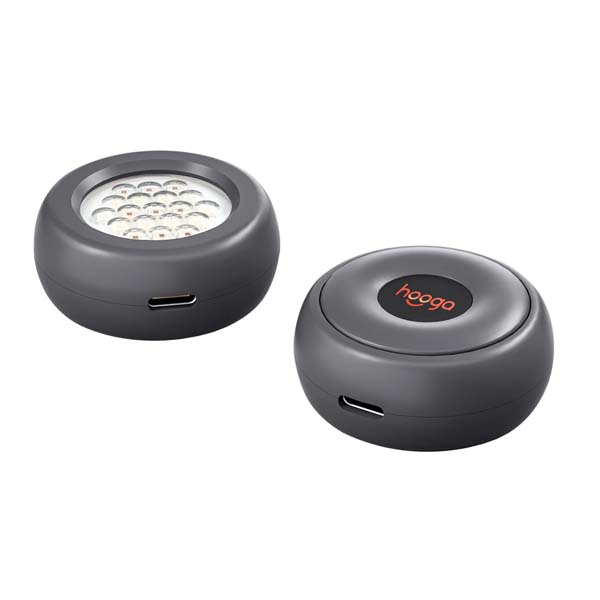
The Hooga Dot earns our #4 spot as the best entry-level red light therapy applicator. While its 120 mW/cm² power density and 3W total output are more modest than our top three picks, it unique design for practical application as a wearable device earned it a top spot.
With 19 LEDs,the Hooga Dot provides even coverage and even light distribution over the area its applied. The dual-wavelength system uses 660nm red and 850nm near-infrared, the classic combination proven effective for tissue repair and inflammation reduction. While it lacks the blue light and additional wavelengths of higher-ranked options, these two wavelengths cover the essentials for muscle recovery and pain relief.
The Hooga Dot design really stands out with its ability for practical use. Coming with adhesive attachments and a strap you can easily affix it to nearly any part of your body. Unlike other devices that need to be held once affixed its hands free and allows the device to run for the full 15 minute timer.
The Hooga Dot offers three operating modes: 650nm red only, 850nm near-infrared only, or both wavelengths combined. This flexibility is impressive for an entry-level device, allowing you to choose single-wavelength treatments for concentrated therapy or combined mode for convenience. The 15-minute fixed timer is well-suited to the device's power level—at 120 mW/cm², a 15-minute session delivers approximately 100+ joules , which falls within the therapeutic range.
The compact, spot-focused design makes the Hooga Dot ideal for treating specific areas—knees, elbows, wrists, ankles, or using several on large muscle groups. Its small size also makes it highly portable and easy to position precisely where needed. The straightforward operation makes it accessible for red light therapy newcomers.
The 450 mAh battery is the smallest in our top four, reflecting the device's lower power draw. While this means more frequent charging than premium options, the Hooga Dot's efficiency means you can still get several treatments per charge. The 60-day return period and 1-year warranty are competitive for the price point.
Where the Hooga Dot really wins is value and ease of use. It delivers genuine red light therapy benefits—the same core technology found in devices costing significantly more—in an affordable, easy-to-use package. For users wanting to experience targeted red light therapy without a major investment, the Hooga Dot is an excellent starting point. With the low price point we would reccomend getting at least 2 to target multiple areas at the same time
Best For: Budget-conscious users entering the world of red light therapy. Ideal for treating small, specific areas like, trigger points, or localized pain. Perfect as a first applicator to experience targeted therapy benefits. Its applicators and strap allow it to be used passively while going on throughout your day.
Pros
- Most affordable of top 4 ranked devices
- Three operating modes including single-wavelength
- High LED count (19) for even light distribution
- Compact and portable design
- Attaches easily for passive use
- 60-day return policy
- Good entry point for red light therapy newcomers
- Simple, straightforward operation
Cons
- Lowest power density in top 4 (120 mW/cm²)
- Smallest battery (450 mAh)
- No blue light option
- Only two wavelengths
- Fixed 15-minute timer
- Longer sessions needed for therapeutic dose
View Hooga Dot
Loading...
Other Red Light Therapy Applicators We Reviewed
While these applicators didn't make our top 4, they may still be worth considering depending on your specific needs, budget, or intended use cases.
Comparison Table - Additional Applicators
Swipe to see more
| Product | Total Power | LEDs | Power Density | Wavelengths | Modes | Timer | Battery | Return/Warranty | Price | View |
|---|---|---|---|---|---|---|---|---|---|---|
| UTK Therapy Pen | 5W | 5 | 130 mW/cm² | 470, 630, 660, 850, 940nm | 3 + pulsed | 3 mins | 2500 mAh x2 | 30 Day / 1 Year | Loading... |
View |
| Hooga Charge | 12W | 12 dual-chip | 70 mW/cm² @ 3" | 660, 850nm | 3 modes | 10 mins | 10,000 mAh | 60 Day / 2 Year | Loading... |
View |
| Freyara 5-LED Device | 5W | 5 | 130 mW/cm² | 470, 630, 660, 850, 940nm | 3 + pulsed | 5 mins | 3000 mAh | 30 Day / 1 Year | Loading... |
View |
| Hooga Torch | 5W | 5 | 120 mW/cm² | 415, 630, 660, 850, 940nm | 3 + pulsed | 3 mins | 2500 mAh x2 | 60 Day / 1 Year | Loading... |
View |
| Hooga Hand Held | 24W | 12 dual-chip | 126 mW/cm² @ 3" | 660, 850nm | 1 mode | N/A | N/A (plug-in) | 60 Day / 1 Year | Loading... |
View |
UTK Red Light, Blue Light, Near Infrared Light Therapy Pen
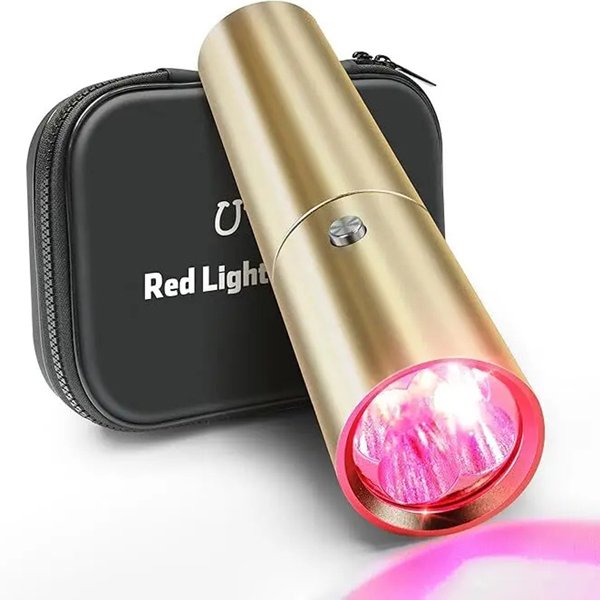
The UTK Therapy Pen offers similar wavelength coverage to its paddle sibling in a more compact, pen-style form factor. With 5W of power and 130 mW/cm² density, it delivers respectable therapeutic energy through five LEDs.
The five-wavelength system (470nm blue, 630nm red, 660nm red, 850nm NIR, 940nm NIR) provides comprehensive coverage, with three operating modes plus pulsing options for flexibility in treatment. However, the pen design limits coverage area compared to larger applicators.
With a 3-minute timer and 2x 2500 mAh battery, it's designed for quick, portable treatments. The 30-day return period is shorter than some competitors. While capable, it doesn't match the power density or coverage of our top-ranked options. Including an extra battery is what helps set UTK device apart from other similar devices.
Pros
- Five wavelengths including dual NIR
- Three operating modes plus pulsing
- Pen design for precise application
- Dual batteries included
Cons
- Only 30-day return
- Limited coverage area
- Lower power than top picks
- Very short treatment timer
View UTK Therapy Pen
Loading...
Hooga Charge Red Light Therapy Spot Applicator
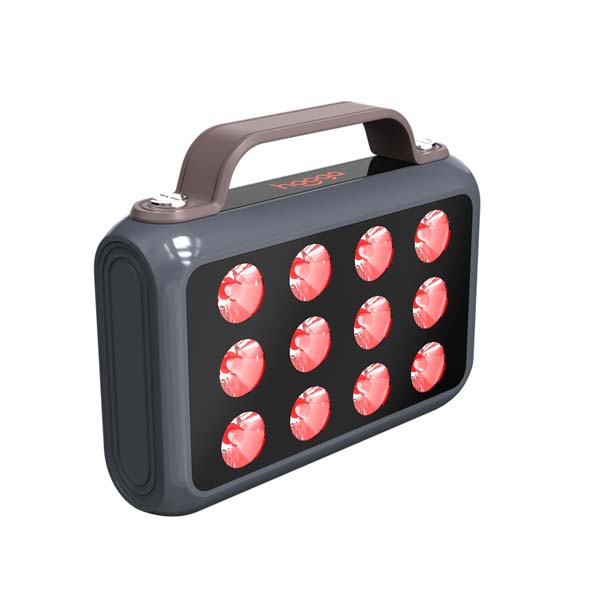
The Hooga Charge offers a significant step up in battery capacity with its massive 10,000 mAh battery—the largest in our comparison. This translates to weeks of use between charges, making it ideal for users who prioritize convenience and portability.
With 12W of power and 12 dual-chip LEDs, the Charge delivers 70 mW/cm² at 3 inches. The Hooga Charge is essentially a mini red light therapy panel. The dual-wavelength system (660nm red, 850nm NIR) provides the essentials for therapeutic treatment. Three operating modes let you use each wavelength individually or combined.
The 10-minute fixed timer is shorter than some competitors, but the substantial battery means you can run multiple sessions without worrying about power. The 60-day return and 2-year warranty are above average. As this is the same design as a panel it cant as easily be used right away the skin to maximize irradiance & provide even coverage, holding it 1-3 inches away it still hits in the therepudic range
Pros
- Exceptional 10,000 mAh battery
- 2-year warranty
- 60-day return policy
- Three operating modes
- 12 dual-chip LEDs
Cons
- Lower power density (70 mW/cm² at 3")
- Fixed 10-minute timer
- Only two wavelengths
- Requires close proximity for best results
View Hooga Charge
Loading...
Freyara 5-LED Red, Blue & Infrared Light Therapy Device
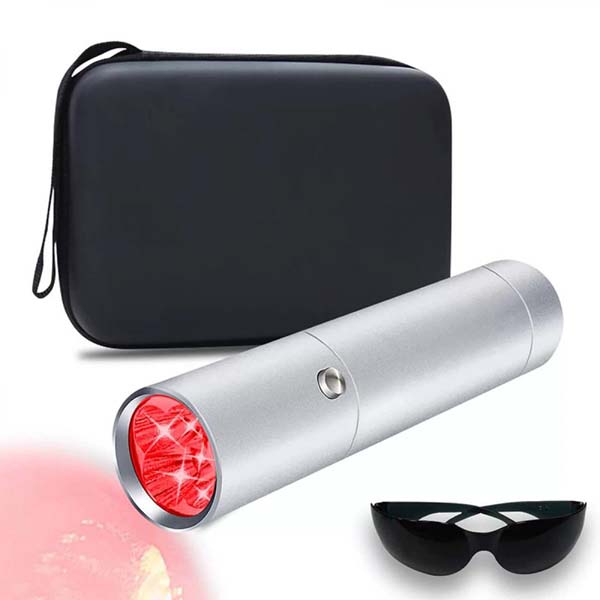
The Freyara 5-LED Device offers competitive specifications to the UTK Pen with similar five-wavelength coverage and three operating modes plus pulsing options. With 5W of power and 130 mW/cm² density, it delivers therapeutic energy suitable for targeted treatments.
The wavelength selection mirrors the UTK offerings: 470nm blue, 630nm red, 660nm red, 850nm NIR, and 940nm NIR. Three modes plus pulsing provide flexibility in treatment options. The 5-minute timer strikes a balance between quick treatments and effective dosing.
With a 3000 mAh battery, it offers solid cordless operation. However, the 30-day return period and 1-year warranty are standard at best. The Freyara competes well on specifications but doesn't stand out in any particular area compared to our ranked options.
Pros
- Five wavelengths
- Six operating modes
- Good power density
- 3000 mAh battery
Cons
- Only 30-day return (Hong Kong based returns)
- 1-year warranty
- No standout features
- Short treatment timer
View Freyara 5-LED Device
Loading...
Hooga Red Light Therapy Torch with Precision Tip
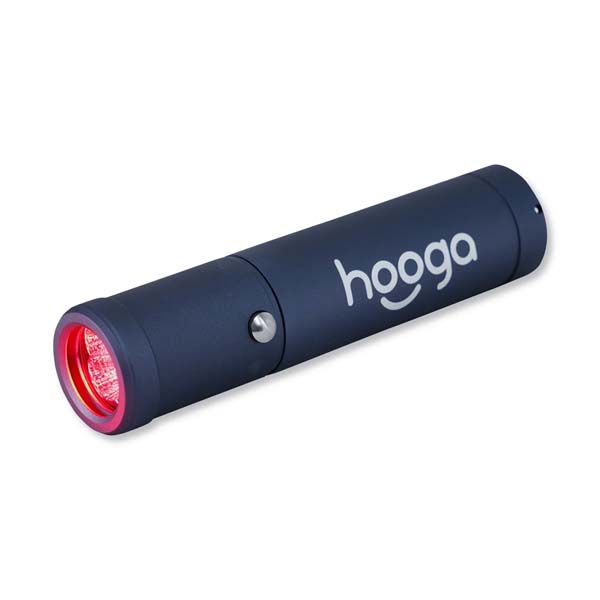
The Hooga Torch stands out with its unique 415nm purple/blue wavelength—a shorter, more aggressive blue light than the 470nm found in most competitors. This makes it particularly interesting for users focused on acne treatment and skin bacteria elimination.
With 5W of power, five LEDs, and 120 mW/cm² density, the Torch delivers comparable power to the Hooga Dot. The five-wavelength system (415nm, 630nm, 660nm, 850nm, 940nm) is comprehensive, with three operating modes plus pulsing options for flexibility.
The 3-minute timer is quite short, meaning you'll likely need multiple sessions for therapeutic dosing. The dual 2500 mAh batteries provide good runtime. The 60-day return and 1-year warranty are solid. The precision tip design makes it ideal for targeting specific spots and inside the mouth.
Pros
- Unique 415nm wavelength for acne
- Five wavelengths
- Three modes plus pulsing
- Precision tip design
- 60-day return policy
Cons
- Very short 3-minute timer
- Lower power than top picks
- Limited coverage area
View Hooga Torch
Loading...
Hooga Hand Held Red Light Therapy Light
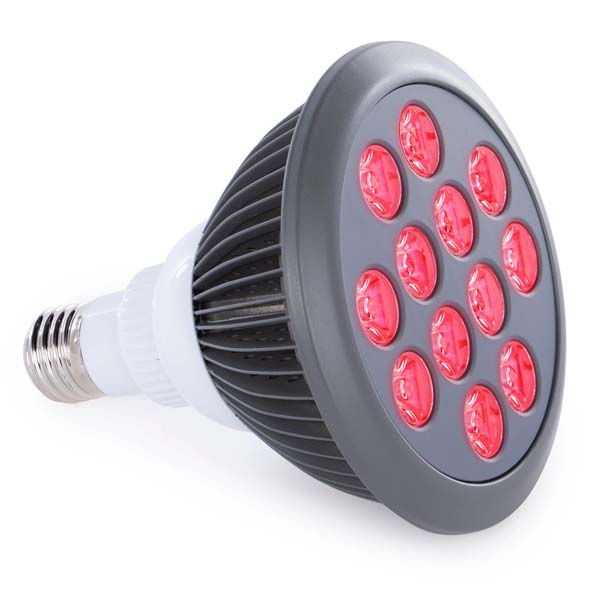
The Hooga Hand Held is unique in our comparison as the only device with 24W of total power—the highest wattage of any applicator we reviewed. With 12 dual-chip LEDs delivering 126 mW/cm² at 3 inches, it's designed for users who want maximum coverage area.
However, the device is limited to a single operating mode with both 660nm red and 850nm NIR wavelengths active simultaneously. There's no timer function, requiring users to manually track treatment duration. The device is also larger and less portable than other options. It is basically a light blub and will require you to acquire your own light socket to screw it in into. It additionally will require a plug in to use it and depending on the light socket base you find can make it difficult to provide targeted treatment.
The high wattage helps compensate for its wide light dispersion but the lack of features—no adjustable timer, no mode selection, no cordless operation—makes it less versatile than our ranked options. It's best suited for users who want a simple, powerful plug-in device for home use rather than a feature-rich portable applicator.
Pros
- Highest total power: 24W
- 12 dual-chip LEDs
- Good coverage area
- 60-day return policy
Cons
- Only one operating mode
- No built-in timer
- Not cordless (plug-in only)
- Less portable than competitors
- Limited features for the price
View Hooga Hand Held
Loading...
Benefits of Targeted Red Light Therapy
Red light therapy applicators deliver concentrated therapeutic light to specific body areas, providing unique benefits that distinguish them from full-body panels and face masks:
Muscle Recovery and Performance
Near-infrared light (850-940nm) penetrates deeply into muscle tissue, stimulating cellular energy production and increasing blood flow. This accelerated ATP production helps muscles recover faster after workouts, reducing soreness and improving readiness for the next training session. Athletes and fitness enthusiasts use applicators to target specific muscle groups—quads after cycling, shoulders after swimming, or back after weightlifting.
Joint Pain and Inflammation Relief
The concentrated energy delivery of applicators makes them particularly effective for treating joints. Small muscle groups can receive 20-60 joules of therapeutic energy per session—significantly more than the 5-9 joules typical of full-body treatments while large muscle groups can receive up to 300 joules per session. This higher dosing helps reduce inflammation, improve mobility, and manage pain from arthritis, overuse injuries, or chronic conditions.
Targeted Skin Treatment
Applicators with blue light capability (450-470nm) can target specific acne breakouts, blemishes, or skin concerns that don't require full-face treatment. This precision approach treats problem spots without affecting surrounding skin. Red light modes can also target scars, stretch marks, or specific areas needing collagen stimulation.
Trigger Point and Myofascial Therapy
The focused beam of handheld applicators makes them ideal for treating trigger points—localized muscle knots that cause referred pain. The combination of red and near-infrared light helps release these points, reducing pain and improving range of motion. Physical therapists and massage practitioners increasingly incorporate light therapy into trigger point treatments.
Post-Surgical and Injury Recovery
Targeted light therapy accelerates healing of surgical incisions, wounds, and injuries. The cellular energy boost from red and NIR light promotes tissue repair, reduces scarring, and helps manage post-operative inflammation. Patients use applicators to treat surgical sites, sprains, strains, and other localized injuries.
Circulation Enhancement
Light therapy stimulates nitric oxide production, which dilates blood vessels and improves circulation. Better blood flow means more oxygen and nutrients delivered to tissues, plus more efficient removal of metabolic waste. This improved circulation supports all other therapeutic effects and promotes overall tissue health.
Convenience and Efficiency
Unlike full-body panels that require dedicated time and space, handheld applicators can be used while watching TV, reading, or relaxing. Their portability means you can treat specific areas quickly—5-10 minutes for a sore knee or tight shoulder—making consistency easier to maintain. The focused treatment also means no wasted energy on areas that don't need it.
Frequently Asked Questions
How long should I use a red light therapy applicator per session?
Treatment time depends on the device's power density. High-power applicators (150+ mW/cm²) can deliver therapeutic doses in 5-10 minutes. Medium-power devices (100-150 mW/cm²) typically need 10-15 minutes. Lower-power options may require 15-20 minutes. For small muscle groups, target 20-60 joules per treatment area, for large muscle groups target up to 300 joules. Refer to our joule dosing guide at the bottom of the page
How often should I use my red light therapy applicator?
For muscle recovery, daily use or use immediately after workouts is ideal. For chronic pain or joint issues, 5-7 times per week provides consistent therapeutic benefit. For skin concerns like acne or scars, 3-5 times per week is typically sufficient. Consistency matters more than frequency—regular treatments over time produce better results than sporadic intensive use.
When will I see results from red light therapy?
Results vary by condition and individual response. Muscle soreness often improves within 24-48 hours of treatment. Joint pain and inflammation may show improvement within 1-2 weeks of consistent use. Skin concerns like acne may improve within days when using blue light, while scar reduction and anti-aging benefits typically require 8-12 weeks. Chronic conditions may need 4-6 weeks of regular treatment before significant changes are noticeable.
How close should I hold the applicator to my skin?
For best results, hold the applicator directly against the skin or within 2cm for maximum effect according to scientific studies. Direct contact provides maximum energy transfer, 2cm is the recommended furthest distance to use away to ensure deep enough penetration into the tissue of the light. Some devices specify power density at different distances; always check the manufacturer's recommendations. Direct contact is particularly important for treating deeper tissues like muscles and joints.
Can I use red light therapy on any body part?
Red light therapy is generally safe for most body areas. Avoid directing light into eyes—never use on or near eyes without appropriate eye protection. Exercise caution over areas with active cancer, though research on this is ongoing. Don't use over the abdomen during pregnancy as a precaution. Otherwise, applicators can be used on knees, shoulders, back, neck, wrists, ankles, and anywhere you have muscle soreness, joint pain, or skin concerns.
What's the difference between red light and near-infrared light?
Red light (620-660nm) penetrates superficially, affecting skin and surface tissues. It's ideal for skin concerns, surface inflammation, and collagen production. Near-infrared (800-940nm) penetrates deeper—up to several centimeters—reaching muscles, joints, and deeper tissues. For comprehensive therapy, devices offering both wavelengths provide the most versatility, allowing you to treat surface and deep concerns.
Can I combine red light therapy with other treatments?
Yes, red light therapy complements many other treatments well. It pairs effectively with massage, physical therapy, chiropractic care, and exercise. Use it before workouts to prepare muscles or after for recovery. It can be used alongside topical treatments—light therapy may actually enhance absorption of skincare products. Avoid using immediately after treatments that cause skin irritation (like aggressive exfoliation) until redness subsides.
Why is power density (mW/cm²) important?
Power density determines how much energy reaches your tissue per unit area. Higher power density means more photons penetrating tissue, triggering stronger cellular responses. For applicators, 100+ mW/cm² is ideal for rapid, effective treatments. Lower power densities require longer sessions to achieve the same therapeutic dose. However, more isn't always better—extremely high power without proper design can cause tissue heating rather than therapeutic photobiomodulation.
Are there any side effects from red light therapy?
Red light therapy is generally very safe with minimal side effects. Some users experience temporary redness or warmth in treated areas—this is typically mild and short-lived. Overuse can cause less beneficial results; some studies have found overdosing can cause oxidative stress on the body. Muscle groups can take much higher dosages of red-light therapy then other parts of the body which makes high joule dosing the safest with targeted applicators like we are recommending. If you experience any discomfort, reduce session length or frequency. People taking photosensitizing medications should consult their doctor before use. Overall, red light therapy has an excellent safety profile with decades of research supporting its use.
What's the difference between pulsed and continuous light?
Continuous light delivers constant illumination during treatment. Pulsed light alternates between on and off periods at specific frequencies (like 10Hz or 40Hz). Some research suggests certain pulsing frequencies may enhance specific therapeutic effects, though both continuous and pulsed light are effective. Pulsing may also help prevent tissue heating at high power levels. Devices offering both options provide the most flexibility for experimentation.
Scientific Studies on Red Light Therapy
Photobiomodulation in Muscle Tissue: Performance and Recovery
A 2016 systematic review published in the Journal of Biophotonics analyzed multiple studies on photobiomodulation for skeletal muscle. The research found that red and near-infrared light therapy significantly improved muscle performance, reduced fatigue, and accelerated recovery after exercise. The mechanism involves increased ATP production, reduced oxidative stress, and enhanced cellular repair processes.
Low-Level Laser Therapy for Joint Pain and Osteoarthritis
Research published in The Lancet in 2009 examined the effects of low-level laser therapy on osteoarthritis. The randomized controlled trial found that laser therapy reduced pain and improved function in patients with knee osteoarthritis. Participants receiving active treatment showed significantly greater improvement compared to placebo, with benefits persisting beyond the treatment period.
Mechanisms of Photobiomodulation in Tissue Repair
A comprehensive review published in Physiological Reviews explained the cellular mechanisms behind light therapy. The study confirmed that red and near-infrared light stimulate mitochondrial cytochrome c oxidase, increasing ATP production and activating cellular repair pathways. This enhanced cellular energy explains the wide-ranging benefits of light therapy for tissue repair, inflammation reduction, and pain management.
Red Light Therapy for Muscle Recovery After Exercise
A 2011 study published in Lasers in Surgery and Medicine examined the effects of phototherapy on exercise-induced muscle damage. The research found that participants receiving red light therapy showed significantly less muscle strength loss, reduced muscle soreness, and fewer biochemical markers of muscle damage compared to placebo. The study concluded that phototherapy is effective for preventing muscle damage and enhancing recovery.
Photobiomodulation for Chronic Pain Management
Research published in Pain Research and Management reviewed clinical trials on photobiomodulation for chronic pain conditions. The analysis found consistent evidence supporting the use of red and near-infrared light for reducing chronic pain, particularly musculoskeletal pain, with few reported side effects. The non-invasive nature and excellent safety profile make it an attractive option for long-term pain management.
Source: PubMed - Glazov G et al. (2016)
Effects of Blue Light on Acne Vulgaris
A 2000 study published in the British Journal of Dermatology investigated blue light therapy for acne treatment. The research confirmed that 415nm blue light effectively targets Propionibacterium acnes bacteria, reducing inflammatory acne lesions. The study established blue light as a safe, effective treatment for acne without the side effects associated with antibiotics or topical medications.
Technical Notes: Understanding Power Delivery and Dosing
Joule Dosage Calculations
Effective photobiomodulation typically requires specific energy delivery measured in joules (J). The formula is:
Joules = Power (mW/cm²) × Time (seconds) × Efficiency ÷ 1000
For applicators held against the skin you can reach close to 100% efficiency. At 150 mW/cm:
- 5 minutes (300 seconds): 150 × 300 ÷ 1000 = 45 joules
- 10 minutes (600 seconds): 150 × 600 ÷ 1000 = 90 joules
- 15 minutes (900 seconds): 150 × 900 1000 = 135 joules
Therapeutic Dosing Ranges
Research suggests different optimal doses for different applications:
- General Use: 5-9 joules
- Joints: 5-9 joules with laser
- Small Muscle Groups: 20-60 joules
- Large Muscle Groups: 60-300 joules
Power Density vs. Total Power
Total power (watts) indicates overall energy output, but power density (mW/cm²) indicates intensity at the treatment area. A device with high total power spread over a large area may have lower power density than a concentrated device with less total power. For targeted therapy, power density is the more important metric for determining treatment time and effectiveness.
Distance and Energy Delivery
Light energy follows the inverse square law—intensity decreases exponentially with distance. Holding an applicator 3 inches from the skin versus direct contact can reduce delivered energy by 50% or more. This is why direct skin contact is recommended for handheld applicators, ensuring maximum therapeutic benefit.
Last updated: March 2026